Safety Footwear Built for Electrical & Utility Work
From substations to transmission lines, we engineer boots with fully non-conductive construction — and build them to your specs as your OEM/ODM partner.
1. Industry Background
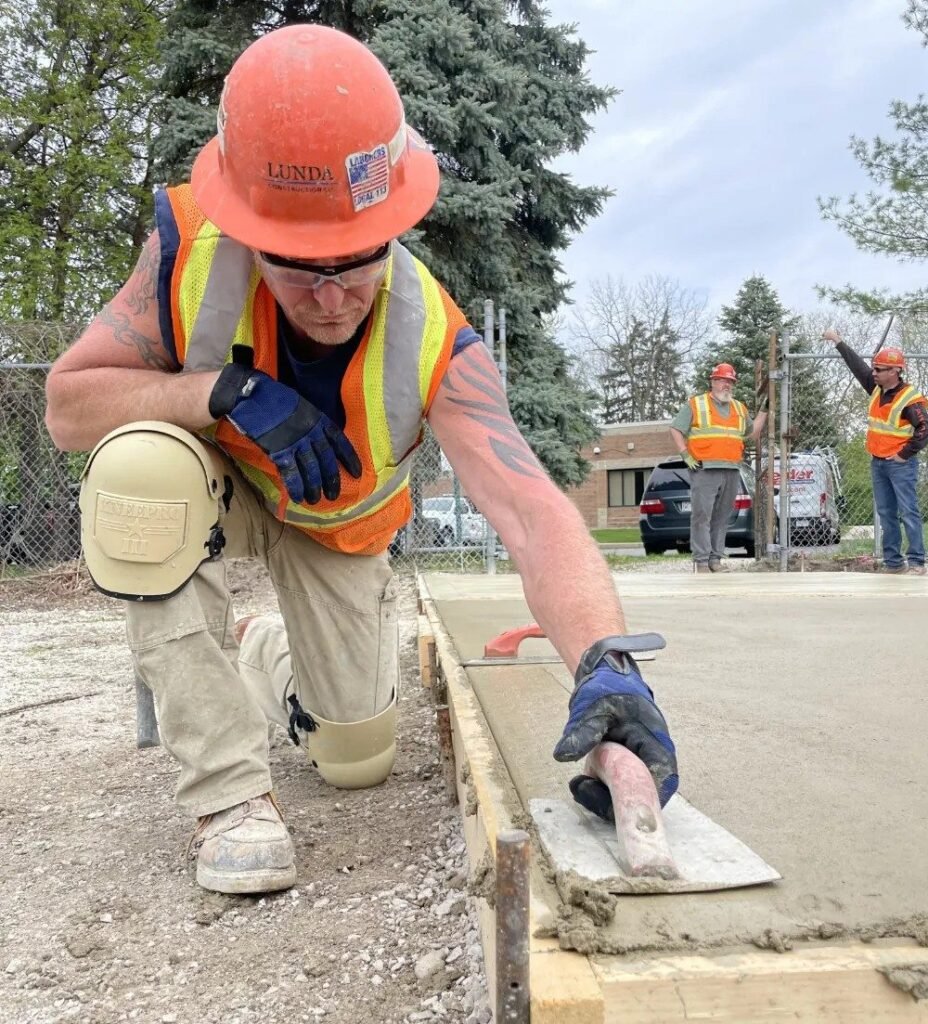
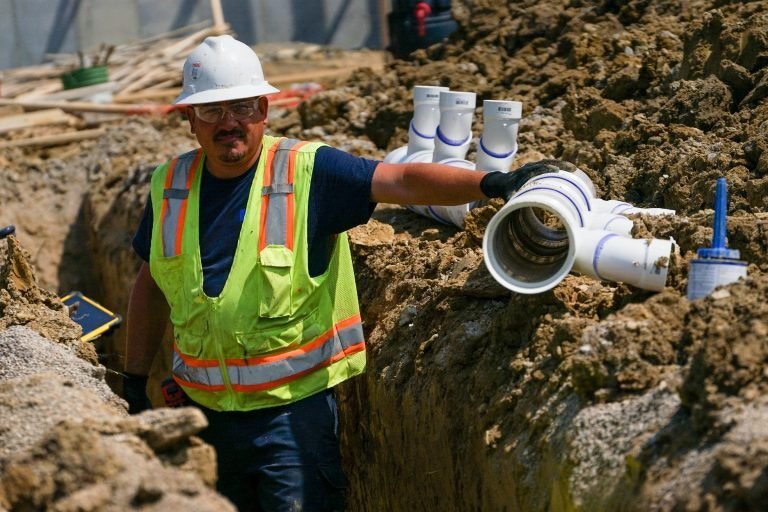
Electrical and utility workers operate in one of the most unforgiving environments in industry: power generation plants, substations, transmission corridors, and telecom infrastructure. Crews climb poles and towers, walk gravel substation yards, and work in direct proximity to live circuits — where a single conductive path through the body can be fatal.
Here, footwear is part of the electrical safety system. Every component — toe cap, shank, eyelets, sole — must be selected so the boot cannot become a conductor. Dielectric integrity is not a feature; it is the foundation of the design.
2. Safety Challenges Electrical & Utility Workers Face
- Electric shock — step and touch potential around live equipment can turn any conductive footwear component into a current path.
- Arc flash thermal hazard — explosive arc events expose workers to extreme heat; materials must not melt or ignite.
- Falling objects — hardware, tools, and insulators dropped from poles and structures threaten feet below.
- Puncture hazards — wire offcuts, fencing, and debris in substation yards and rights-of-way.
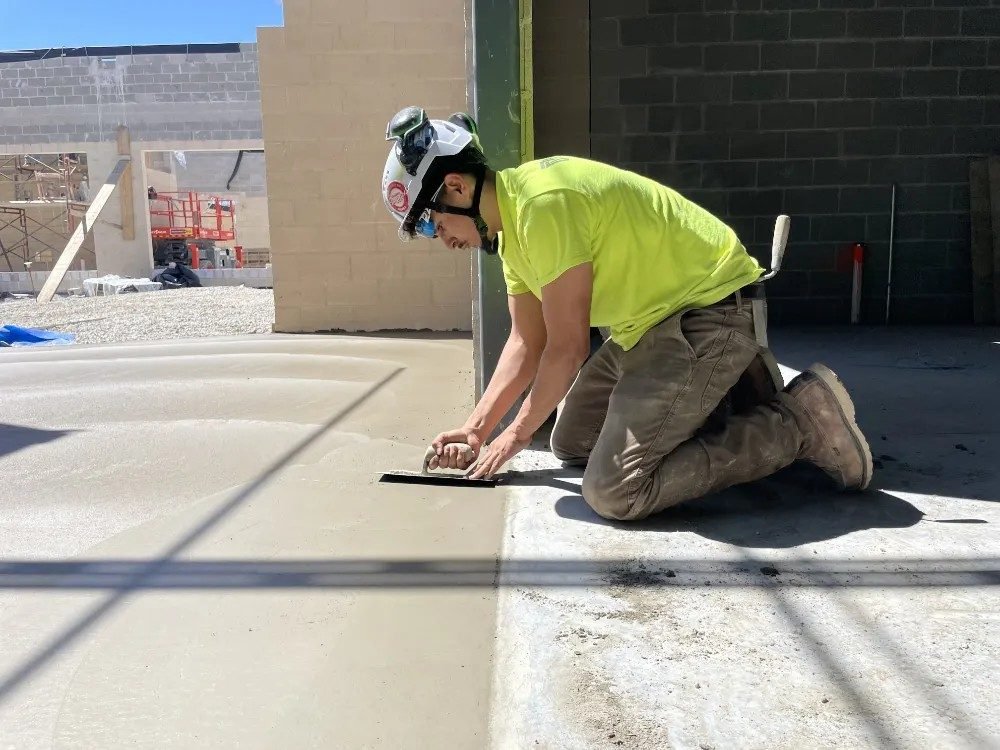
- Climbing demands — poles, towers, and ladders require shank support, ankle stability, and outsoles that grip steel rungs.
- Outdoor exposure — rain, mud, ice, and temperature extremes across year-round line work.
3. Our Solutions
Every pair we build for electrical and utility work is designed around these six elements:
Upper — Dielectric by Design
- Leather uppers assembled with fully non-metallic hardware — no steel eyelets, no metal fasteners anywhere in the build.
- Water-resistant treatment keeps feet dry through rain and mud on rights-of-way.
- High-cut profiles with padded collars support ankles during climbing and uneven-terrain work.
Safety Toe — Impact Protection That Cannot Conduct
- Composite safety toe caps protect against impact and compression — and unlike steel, composite does not conduct electricity.
- Fully non-metallic toe construction keeps the entire forefoot dielectric.
Sole — Electrical Hazard Protection Underfoot
- Outsoles designed to meet ASTM F2413 electrical hazard (EH) performance requirements, providing secondary protection against accidental contact with live circuits.
- Non-conductive rubber compounds with slip-resistant treads for gravel yards, wet steel, and muddy terrain.
- Oil- and abrasion-resistant formulations for substation and fleet environments.
Foot Protection Design — Beyond the Basics
- Non-metallic (composite/fiberglass) shanks deliver climbing support and arch rigidity with zero conductivity.
- Puncture-resistant non-metallic (aramid) midsole shields against wire and debris — no steel plate, no current path.
- Reinforced heel counters and high-cut profiles stabilize ankles on ladders, poles, and uneven ground.
- Shock-absorbing midsoles cushion long days across substations and line routes.
Materials — Chosen for Dielectric Integrity
- Non-conductive laces, eyelets, and hardware throughout — every component audited for conductivity.
- Moisture-wicking linings manage sweat during high-heat substation work.
- Flame-resistant material options for arc-flash-exposed tasks.
Safety Standards — Designed to Meet, Tested on Request
- Designed to meet ASTM F2413 performance requirements, including electrical hazard (EH) protection.
- Designed to meet EN ISO 20345 requirements for international utility projects.
- Third-party lab testing available on request — we support your certification process as your manufacturing partner.
Outfitting an Electrical or Utility Crew or Brand?
Tell us your specs — or let our team recommend a dielectric build for your voltage class and working conditions. Factory-direct pricing, OEM/ODM welcome.