Safety Footwear Built for Construction Sites
Industry Background
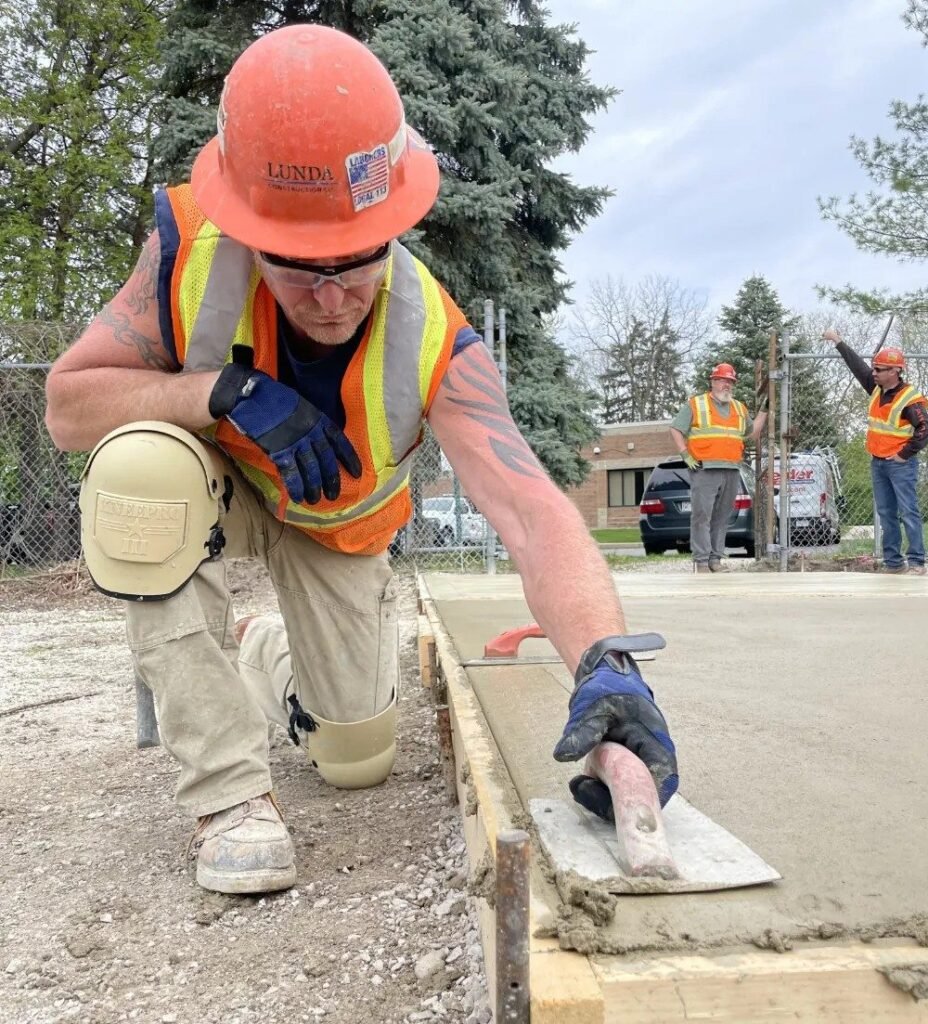
Construction is one of the largest and most physically demanding industries in the world. Crews move between outdoor sites, unfinished structures, and constantly changing ground conditions — often in heat, rain, or cold. Workers routinely handle heavy materials, operate around machinery and vehicles, and walk kilometers a day on concrete, gravel, mud, and rebar-littered surfaces.
Foot injuries on construction sites are among the most common — and most preventable — workplace injuries. The right footwear is not an accessory here; it is essential protective equipment that directly affects safety, productivity, and labor costs.
Safety Challenges Construction Workers Face
- Falling and rolling objects — bricks, tools, steel bars, and equipment parts threaten toes and metatarsals every day.
- Puncture hazards — nails, screws, wire, and rebar offcuts hidden in debris can pierce ordinary soles.
- Slips, trips, and falls — wet concrete, mud, oil, and uneven terrain demand serious traction.
- Electrical hazards — temporary site wiring and power tools expose workers to shock risk.
- Long hours on hard surfaces — concrete and steel decking punish feet, knees, and backs shift after shift.
- Weather exposure — rain, mud, and temperature swings require footwear that keeps feet dry and insulated.
Our Solutions
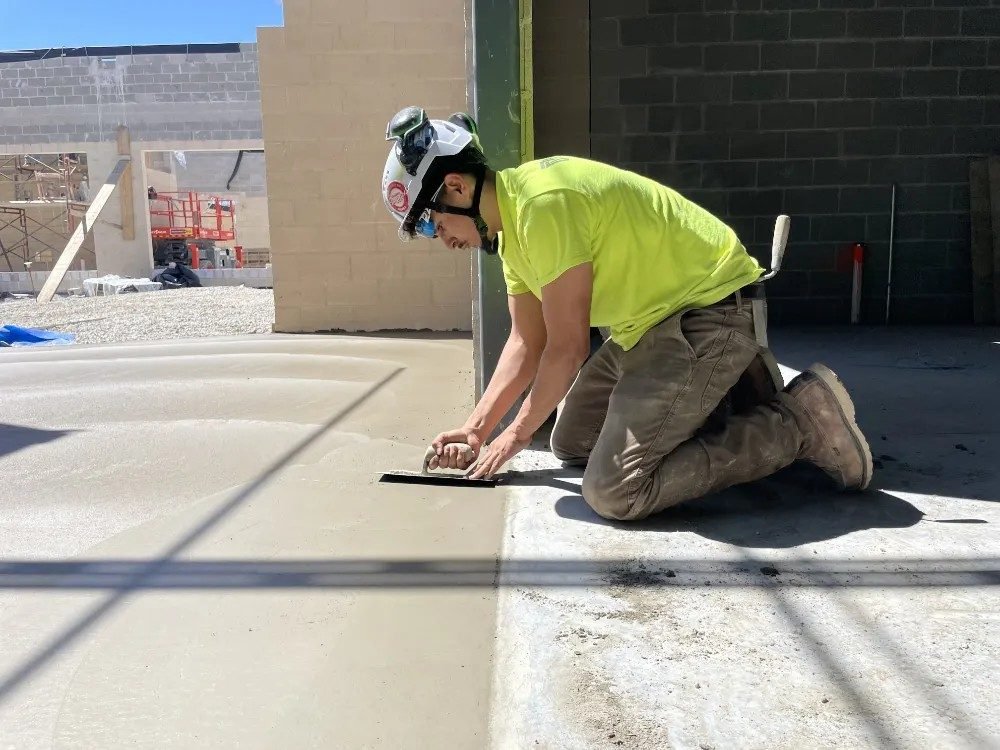
Every pair we build for construction is designed around these six elements:
Upper — Built to Take Abuse
- Full-grain or nubuck leather uppers resist abrasion from concrete, rebar, and rough surfaces.
- Water-resistant treatment keeps feet dry through rain and mud (membrane options available for fully waterproof builds).
- Padded collar and gusseted tongue lock out dust and debris.
Safety Toe — Impact Protection Without the Weight
- Composite safety toe caps protect against impact and compression while staying significantly lighter than steel.
- Metal-free construction: no heat/cold conduction, and no problem passing through site security gates.
Sole — Grip and Durability Where It Counts
- Deep-lugged rubber outsoles bite into mud, gravel, and loose fill.
- Slip-resistant tread patterns designed to meet SRC-level traction requirements on wet and oily surfaces.
- Oil- and abrasion-resistant compounds extend sole life on harsh ground.
Foot Protection Design — Beyond the Basics
- Puncture-resistant non-metallic (aramid) midsole shields against nails and rebar without adding steel’s weight or rigidity.
- Optional external metatarsal guard for demolition, formwork, and heavy-material handling.
- High-cut 6"–8" profiles with reinforced heel counters stabilize ankles on uneven terrain.
- Shock-absorbing midsoles and cushioned insoles fight fatigue across 10+ hour shifts.
Materials — Chosen for the Jobsite
- Moisture-wicking linings move sweat away during hot-weather pours.
- Anti-fatigue insoles with arch support for concrete-all-day comfort.
- Corrosion-resistant hardware and double/triple stitching at stress points for extended service life.
Safety Standards — Designed to Meet, Tested on Request
- Designed to meet ASTM F2413 performance requirements (impact, compression, puncture resistance, electrical hazard).
- Designed to meet EN ISO 20345 requirements for European projects.
- Third-party lab testing available on request — we support your certification process as your manufacturing partner.
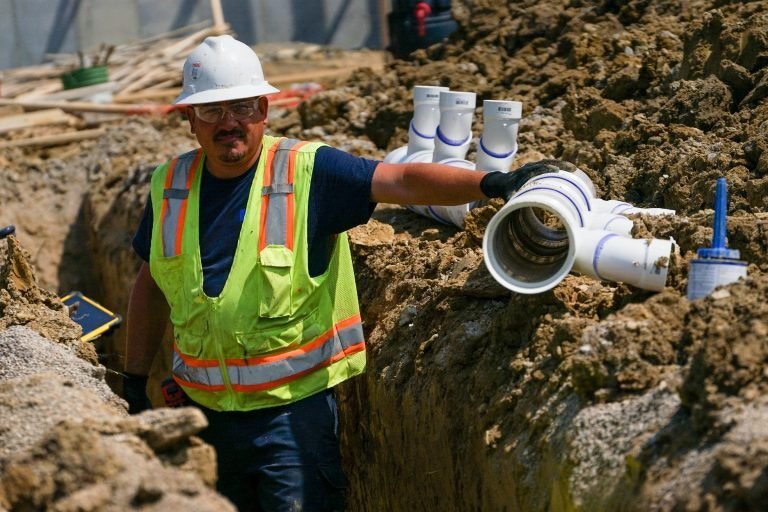
Building for a Construction Crew or Brand?
Tell us your specs — or let our team recommend a build for your jobsite conditions. Factory-direct pricing, OEM/ODM welcome.